The History of Santa Monica Canyon
Thousands of years of history. One canyon.
Santa Monica Canyon has been home to people for a very long time. The Tongva people lived in and around this canyon for thousands of years before Spanish colonizers arrived in the 18th century. In the nearly two centuries since, the canyon has been a rancho, a fishing port, a railroad terminus that nearly became the main harbor of Los Angeles, a one-room schoolhouse community, a Hollywood retreat, and a crucible of California modernist architecture.
Through all of it, the canyon has kept its essential character: a sheltered, tree-lined corridor between the mountains and the sea, where people know their neighbors and families put down roots that last for generations. This canyon history is told in part through photographs from one family that has called it home for four generations.
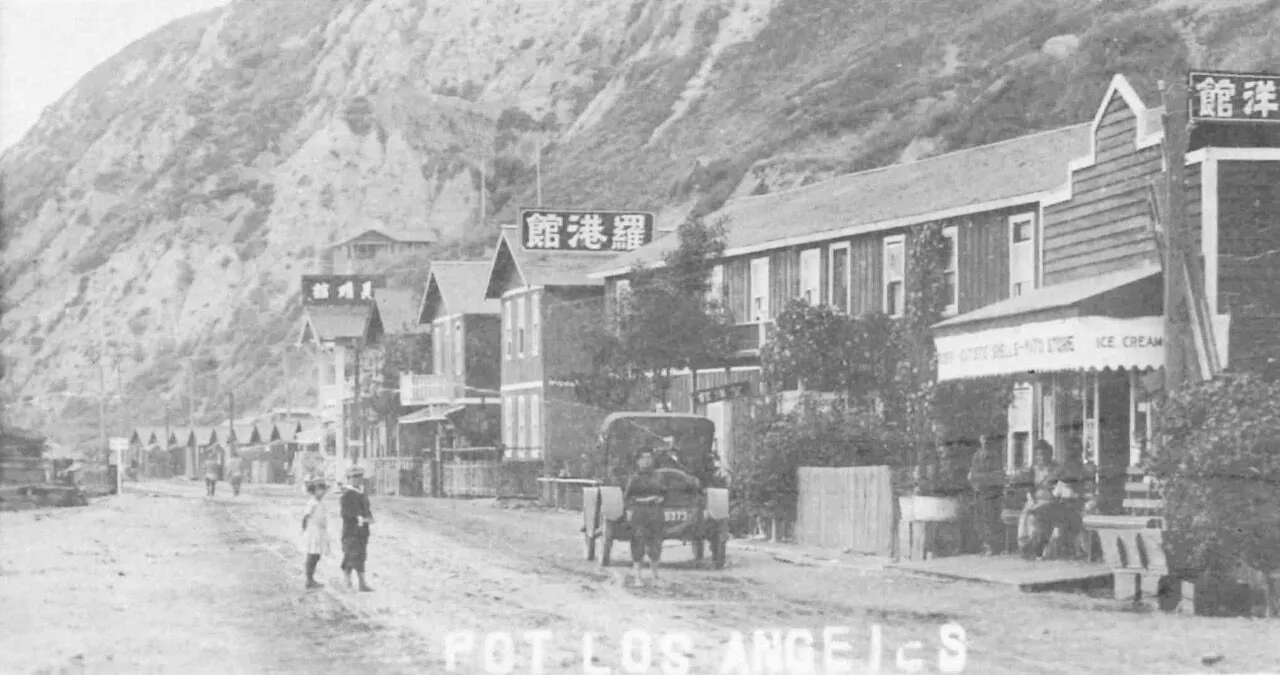
The settlement at the mouth of the canyon, early 1900s
Rancho Boca de Santa Monica
In 1839, Ysidro Reyes and Francisco Marquez received a 6,656-acre Mexican land grant encompassing what is now Santa Monica Canyon, Pacific Palisades, and parts of Topanga Canyon. Marquez built the canyon's first permanent structure — an adobe on the upper mesa — and opened a blacksmith shop to serve the rancho.
The Pascual Marquez Family Cemetery, established in the 1840s on the mesa above the canyon, remains one of the oldest private burial grounds in Los Angeles and is still maintained by descendants of the original land grant families.
The Long Wharf & Port Los Angeles
Southern Pacific Railroad built the Long Wharf just north of the canyon mouth between 1892 and 1894 — at 4,700 feet, it was the longest wharf in the world. Called "Port Los Angeles," it was a serious bid to make Santa Monica the main commercial harbor for all of Southern California.
The Santa Monica Canyon Line tram, built in 1891, connected the canyon directly to the wharf. San Pedro won the harbor fight in 1897, and the wharf slowly declined. The last remnants were removed in 1933 — but the infrastructure that came with the railroad transformed the canyon from a remote rancho into a connected community.
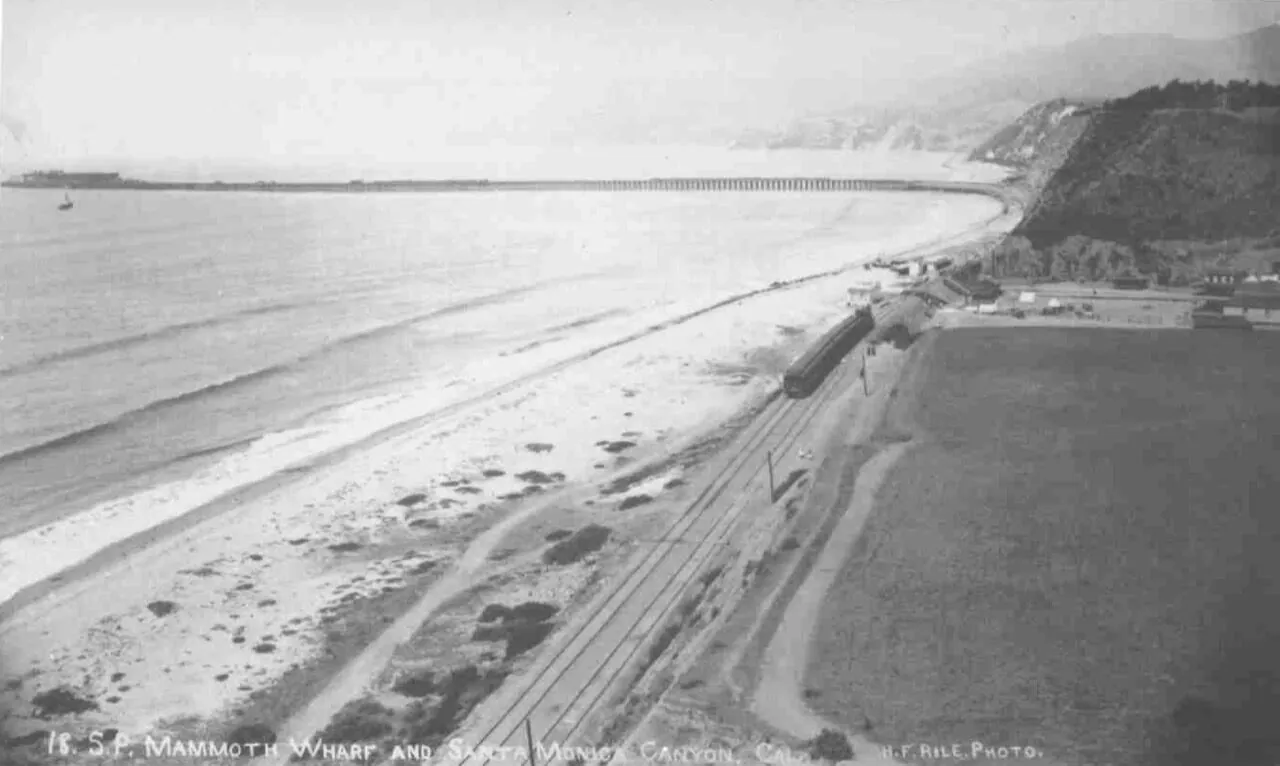
S.P. Mammoth Wharf and Santa Monica Canyon, H.F. Rile Photo
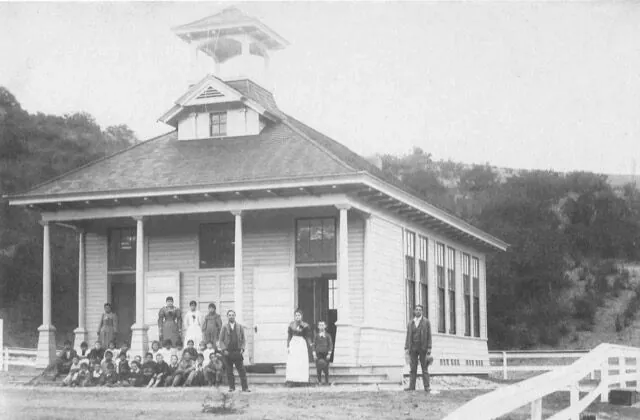
Canyon School, 1894 — the oldest school building still in use by children in Los Angeles County
A village takes shape
The one-room Canyon School opened in 1894 on land donated by the Marquez family — a wooden schoolhouse with a bell tower that doubled as the community's gathering place for church services, dances, and music. It is now the oldest school building still in use by children in Los Angeles County.
Around the same time, a Japanese fishing village took root at the canyon mouth near the Long Wharf. Founded by Hatsuji Sano in 1899, issei immigrants built homes along the coastline and supplied fish to restaurants across Los Angeles until fire destroyed the village in 1916.
By the early 1900s the canyon had become a weekend destination for Angelenos. Small tents dotted the mouth of the canyon for picnicking and camping, a grocery store sold produce from local rancheros, and the Marquez family built a bathhouse on the beach.
The Uplifters & Hollywood
The Uplifters Club — founded in 1913 at the LA Athletic Club and named by L. Frank Baum, author of The Wizard of Oz — acquired a ranch in nearby Rustic Canyon in 1920 and built a clubhouse designed by architect William J. Dodd. Members included Will Rogers, Walt Disney, Spencer Tracy, Clark Gable, Harold Lloyd, and Darryl F. Zanuck.
Actor Leo Carrillo built his 14-acre "ranchita," Los Alisos, on East Channel Road in 1932. A close friend of Will Rogers — who rode down on horseback from his ranch for meals — Carrillo served 18 years on the California Beach and Parks Commission. Leo Carrillo State Park in Malibu is named in his honor.
Will Rogers himself owned 359 acres overlooking the ocean and built the only regulation-size outdoor polo field in Los Angeles County. His widow donated the ranch to California State Parks in 1944.
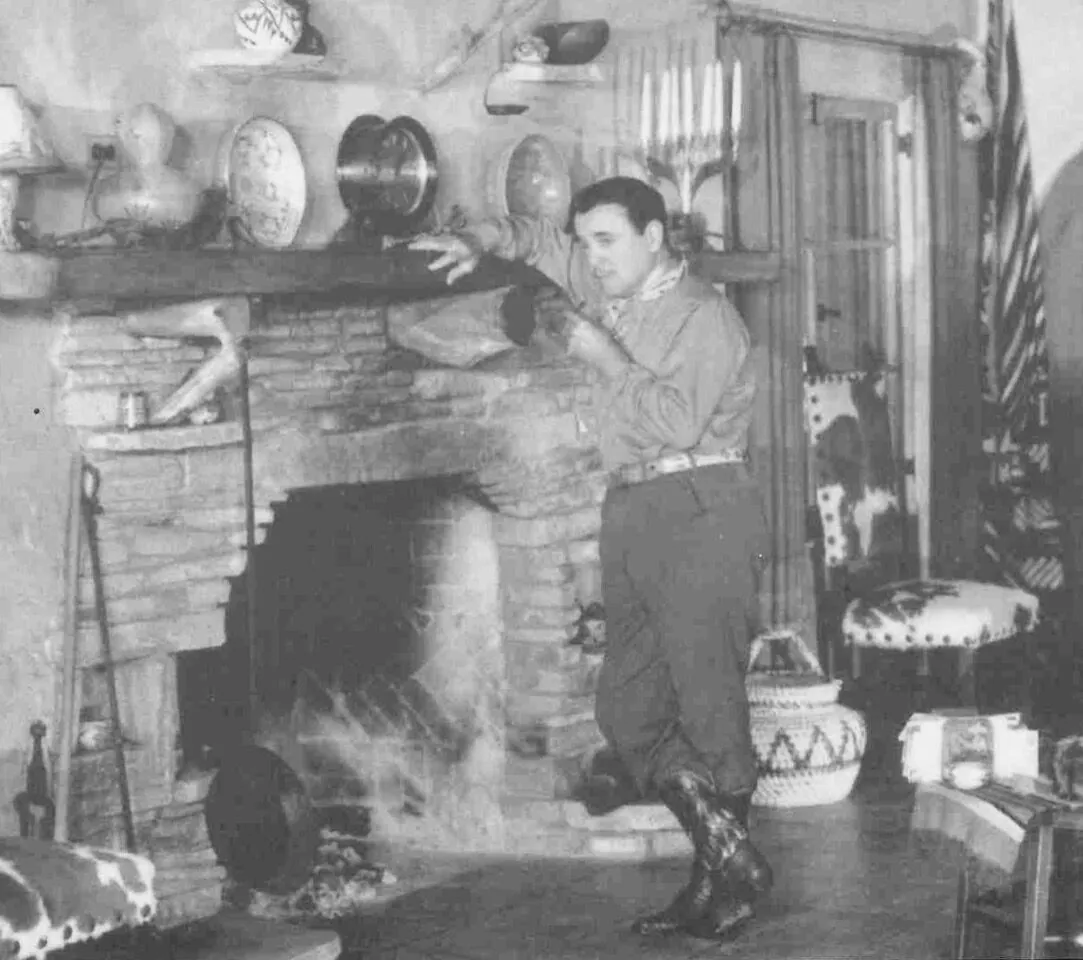
Leo Carrillo at the fireplace of his Los Alisos ranch, East Channel Road
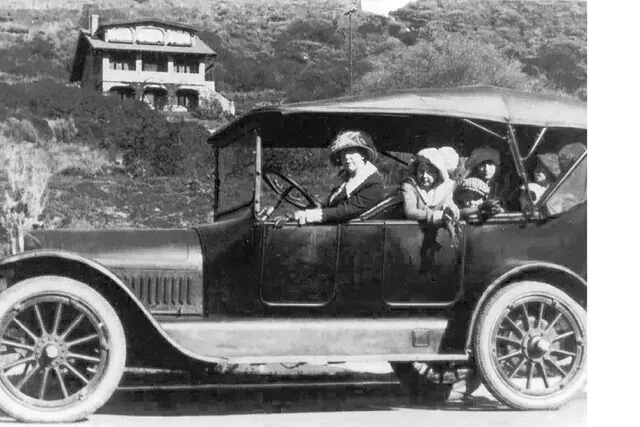
A canyon family, circa 1910s — the hillside homes and winding roads that define the neighborhood were already taking shape
Mid-century modernism & the canyon character
In 1949, Charles and Ray Eames completed their steel-and-glass residence on Chautauqua Boulevard — Case Study House #8, now a National Historic Landmark. The house became a gathering place for Charlie Chaplin, Isamu Noguchi, and a circle of designers and artists who shaped postwar California culture.
Ray Kappe followed, designing over 100 custom homes across Southern California with a concentration in the canyon and Pacific Palisades. His own house (1968) and the Borghei House (1977) remain among the most significant residential designs on the Westside. Craig Ellwood and Richard Neutra added to the architectural legacy — Neutra's Sten-Frenke House sits at the canyon mouth, close enough to hear the surf.
By the 1960s the canyon had earned its reputation as a kind of western Greenwich Village — bohemian, unpretentious, and deeply creative. That character has never left.
A family in the canyon
Some families vacation here. Some families stay. My great-grandparents settled in Santa Monica Canyon in the 1920s — my great-grandfather had come to the Westside to work with Abbot Kinney on the Venice canals, and the family put down roots in the canyon that have held for four generations.
My grandmother attended the same one-room schoolhouse pictured on this page. Her brothers moved to Santa Barbara and made a living as hard hat abalone divers. My father went to Canyon School too, surfed Will Rogers Beach, and became a general contractor — he built homes in the same streets where he'd grown up.
I'm the fourth generation. I grew up here, and now I sell homes here.
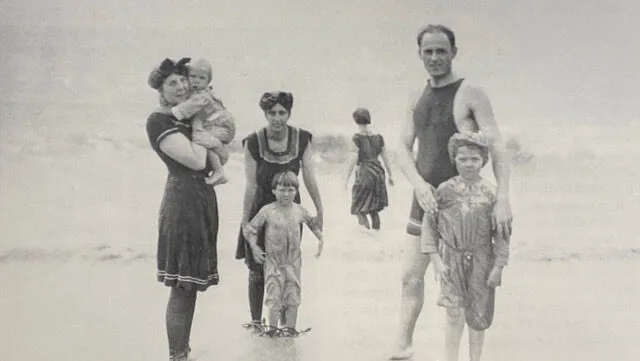
Alex's great-grandparents at the beach, circa 1920s
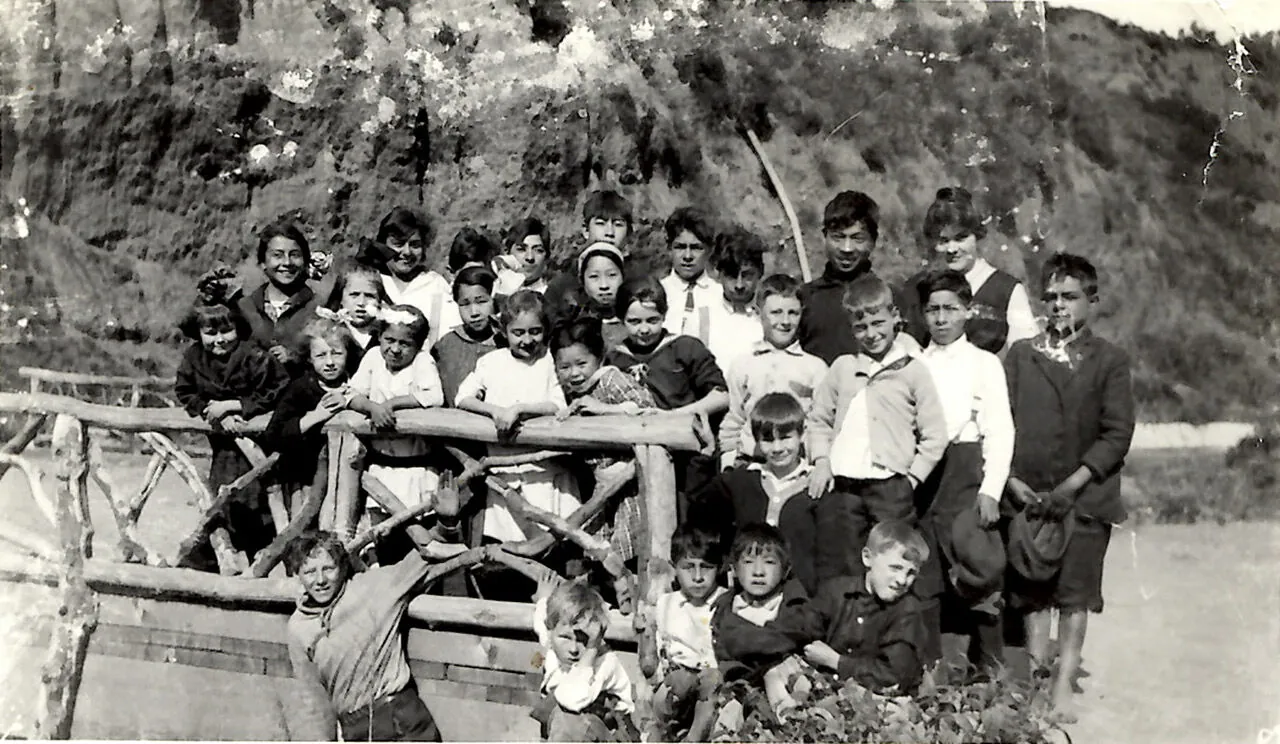
Canyon schoolchildren, early 1900s
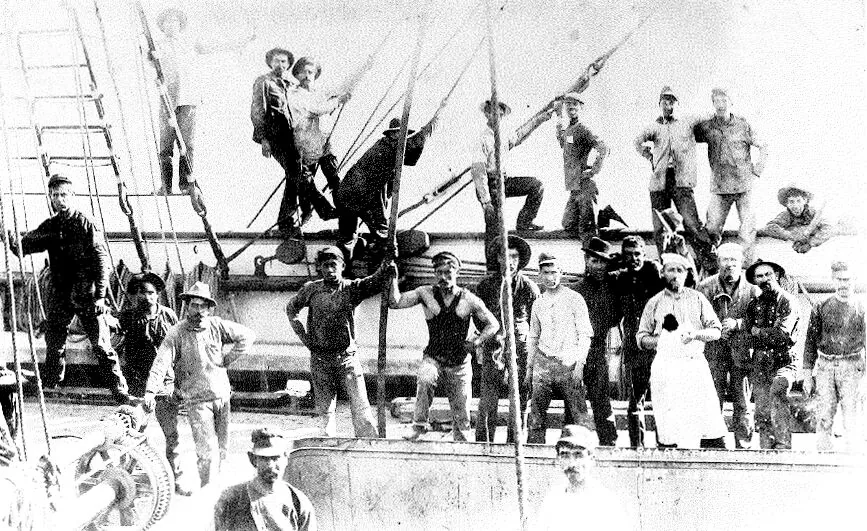
Workers on the Long Wharf, 1890s
The canyon is still writing its story
If you're looking to become part of it, Alex would love to show you around.